Are You a Planning a Winter Spiti Trip? Here’s What You Need to Know
A winter Spiti trip runs roughly from December through February, when temperatures fall well below freezing (often -15°C to -25°C at night) and several high-altitude routes are snowbound. Success depends on five things: proper cold-weather gear, checking road and pass conditions before departure, acclimatizing at a lower altitude first, packing key essentials like power banks and sun protection, and being physically fit enough to handle both the cold and the altitude.
Spiti Valley sits deep in the Himalayas of Himachal Pradesh, and winter is when it shows its most demanding – and most striking – side. Raacho Trekkers runs winter Spiti packages built around this season specifically, combining accommodation, transport and guided excursions into trips designed to minimize impact on the valley’s environment, wildlife and local communities. The guidance below covers what actually matters when planning one of these trips.
What Makes a Winter Spiti Trip Different
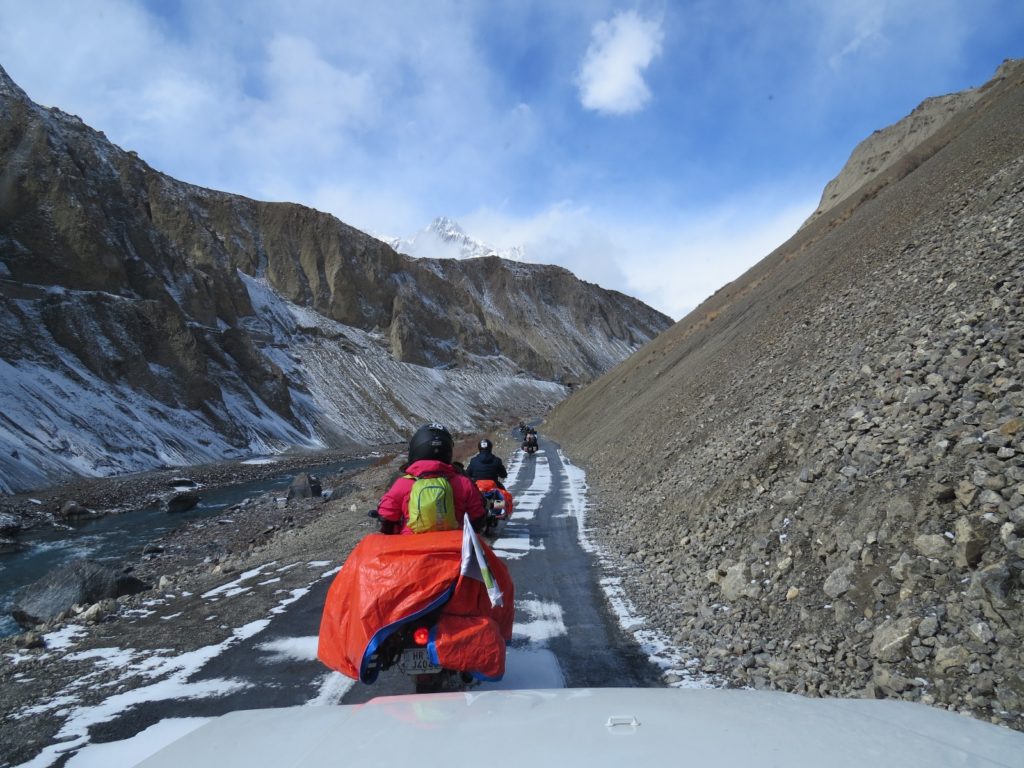
Unlike a summer visit, a winter Spiti trip means travelling through a landscape that’s largely snowbound, with far fewer other travelers on the road, closed high passes, and temperatures that can swing from a relatively mild midday sun to severe overnight cold. This combination is exactly what draws experienced trekkers to the season, but it also means the trip needs more deliberate preparation than a standard road trip would.
5 Things to Prepare Before a Winter Spiti Trip
1. Pack for temperatures well below freezing
Night-time temperatures in Spiti during winter regularly drop to -15°C or lower, and can go colder still at higher villages like Kibber or Komic. Essential gear includes:
- An insulated, windproof outer jacket
- Layered thermal wear (base layer, mid layer, outer shell)
- Insulated gloves and a warm cap covering the ears
- Waterproof, insulated boots with strong grip for icy and packed-snow trails
2. Check road and mountain-pass status before departure
Several routes into and within Spiti close for winter, and even open roads can carry heavy snow cover that slows travel significantly. Confirm current road status close to your departure date rather than relying on older reports, since conditions can change within days.
3. Acclimatize before gaining altitude
Spending one to two days in a lower-altitude town such as Manali or Shimla before heading into Spiti gives the body time to adjust to reduced oxygen levels. This step meaningfully lowers the risk of altitude sickness once you’re travelling through the valley’s higher villages.
4. Carry the small essentials that are easy to forget
- A fully charged power bank, plus spares
- Extra batteries for cameras, torches or other devices
- A compact first-aid kit
- Sunglasses and lip balm
- A high-SPF sunscreen – sun exposure at altitude is stronger than it appears, even in freezing conditions
5. Build a baseline level of fitness beforehand
The combination of high altitude and severe cold makes physical exertion more demanding than it would be at sea level. Basic pre-trip conditioning – cardio work, stamina building, and some hiking practice if possible – makes the days on the trip considerably more manageable.
Conclusion
We have discussed some beneficial tips that you can follow while planning a winter Spiti trip with Raacho Trekkers. Following these tips will help you significantly during the trip. In addition, the highly efficient tour guides at Raacho Trekkers ensure a safe and comfortable experience throughout the Spiti Valley trek.
Frequently Asked Questions
Q. How cold does it get in Spiti Valley in winter?
Night-time temperatures commonly fall between -15°C and -25°C, with some higher villages recording even lower readings. Daytime temperatures in direct sun can feel considerably milder, but conditions shift quickly once the sun sets.
Q. Is Spiti Valley open for tourists in winter?
Yes. Spiti remains accessible in winter, typically via the Kinnaur route from Shimla, even when the Manali–Kaza route closes due to snow at Kunzum Pass. Guided winter trips generally plan around this seasonal road closure.
Q. What is the best time for a winter Spiti trip?
Late December through February is the core winter season, when snowfall, frozen waterfalls and the valley’s starkest scenery are all at their peak. Some travellers prefer late February to early March for slightly milder daytime temperatures while snow cover is still substantial.
Q. Do I need special permits for a winter Spiti trip?
Indian citizens don’t need an Inner Line Permit for Spiti itself, though certain border-adjacent villages fall under protected-area rules. Foreign nationals need a Protected Area Permit (PAP) to visit these restricted zones. Check current requirements before travelling, since rules can be updated.
Q. How do I avoid altitude sickness on a winter Spiti trip?
Spend one to two days acclimatizing at a lower altitude (such as Manali or Shimla) before ascending further, stay well hydrated, avoid alcohol in the first days at altitude, and ascend gradually rather than gaining elevation too quickly.