Kinnaur in Winter: Road Trip to Kalpa & Chitkul Village
When winter sets in, embarking on a Winter Spiti Trip through Kinnaur becomes one of the most remarkable Himalayan road adventures. Operating primarily between November and March, this high-altitude expedition takes travelers through Shimla, Narkanda, Sangla, Chitkul, and Kalpa directly into Spiti Valley.
While high mountain passes like Rohtang and Kunzum close due to heavy snowfall, the Shimla-Kaza highway remains open, serving as the main land route into the region. Exploring Kinnaur in winter grants access to frozen river valleys, sub-zero climates (-5°C to -20°C), traditional wooden villages, and thrilling treks in Kinnaur.
Why Experience Kinnaur in Winter?
Exploring Kinnaur during the winter months provides a stark, peaceful contrast to peak summer travel. Highlights along this iconic route include:
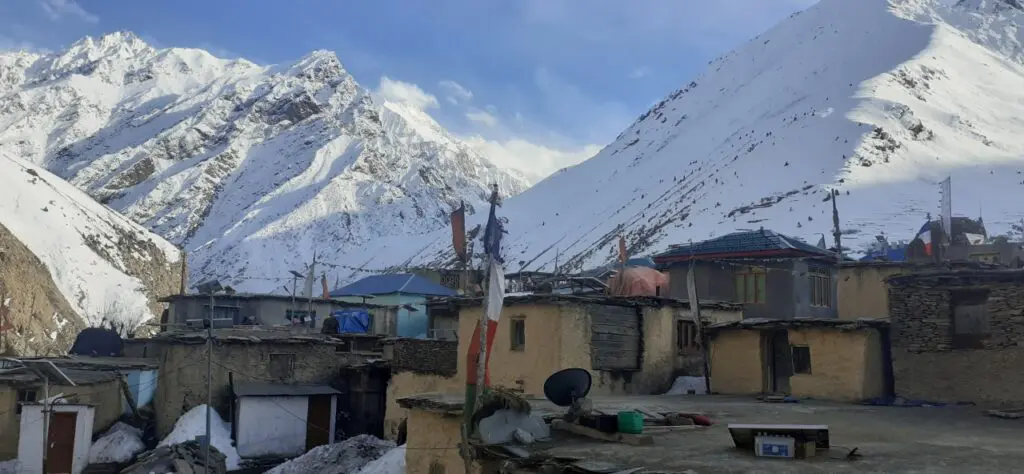
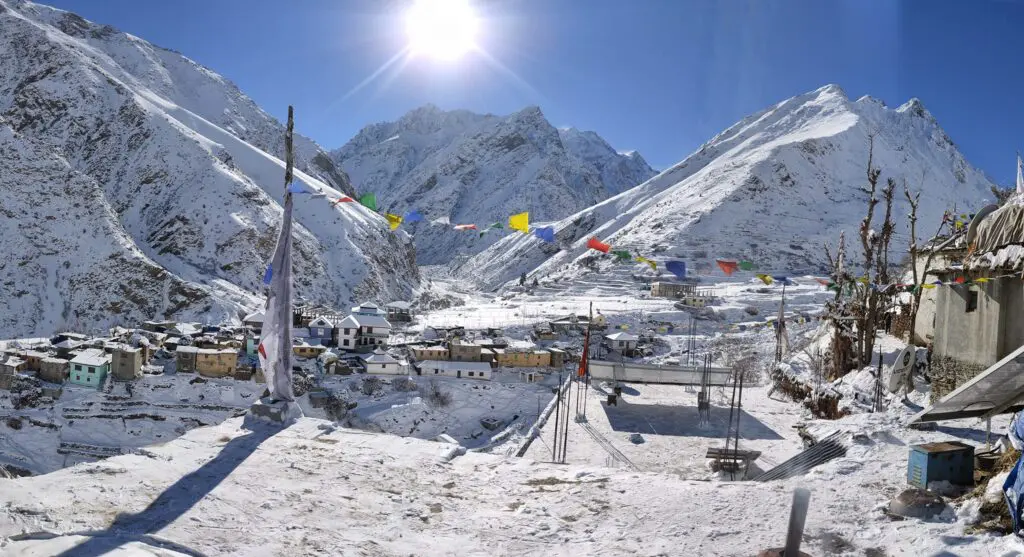
- Chitkul Village (The Last Indian Village): Located in Sangla Valley, Chitkul transforms into a snow wonderland where the icy Baspa River flows past traditional homestays.
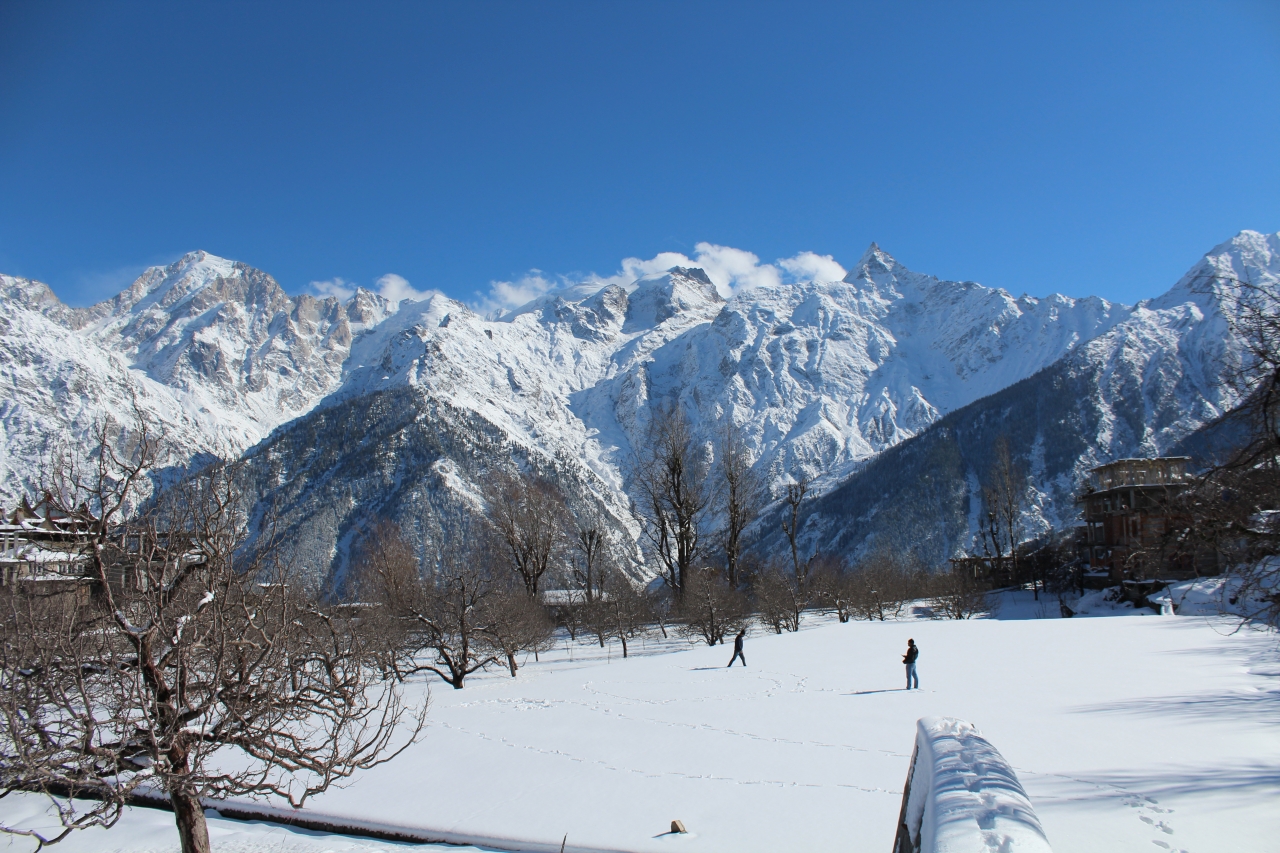
- Kalpa & The Kinner Kailash Peaks: Kalpa offers clear, sweeping views of the sacred 6,050-meter Kinner Kailash peak wrapped in winter snow.
- Serenity & Cultural Heritage: Experience authentic Himachali hospitality, quiet mountain trails, and age-old Kinnauri culture without summer tourist crowds.
6-Day Itinerary for Winter Spiti & Kinnaur Road Trip
When booking Spiti Valley Winter Tour Packages, select an itinerary structured for high-altitude acclimatization and winter road safety:
Day 1: Shimla to Narkanda / Rampur
Drive from Shimla through pine forests up to Narkanda for panoramic snow views at Hatu Peak before descending along the Sutlej River.
Day 2: Rampur to Sangla Valley & Chitkul
Drive through the cliff-carved roads of Kinnaur into Sangla Valley. Proceed to Chitkul to walk through snow-covered trails and visit the last Indian dhaba.
Day 3: Chitkul to Kalpa
Wake up to frozen morning landscapes in Chitkul and drive to Kalpa. Explore Suicide Point, Roghi village, and witness sunset colors over the Kinner Kailash range.
Day 4: Kalpa to Nako / Tabo (Spiti Entry)
Travel further towards Spiti Valley, passing Khab (confluence of the Spiti and Sutlej rivers) to visit Nako Lake, completely frozen in winter.
Day 5: Exploring Lower Spiti to Rampur / Jeori
Begin the return leg, visiting ancient monasteries and remote high-altitude Kinnauri hamlets.
Day 6: Rampur to Shimla / Chandigarh
Conclude the road trip along the Sutlej valley, returning safely to the plains.
Top Winter Treks in Kinnaur
For adventure travelers, adding active treks in Kinnaur brings extra thrill to the road trip:
- Hatu Peak Snow Trek (Narkanda): A beginner-friendly 7 km snow trek leading to Hatu Mata Temple at 3,400 meters.
- Sangla Meadows Snow Hike: An easy winter trail offering panoramic views of snow-dusted apple orchards and surrounding Himalayan peaks.
- Kalpa to Roghi Cliff Trail: A scenic walk along mountain cliffs featuring deep gorges and winter pine forests.
Essential Planning & Safety Tips
High-altitude winter travel requires careful preparation:
- Vehicle Choice: Always travel in a 4×4 SUV driven by an experienced local mountain driver equipped for black ice and heavy snow.
- Layered Clothing: Temperatures drop between -5°C and -20°C. Pack 3 layers of thermal clothing, down jackets, insulated waterproof boots, and fleece gloves.
- Schedule Flexibility: Include 1–2 buffer days in your schedule to account for potential snow clearing delays on mountain roads.
How to Select the Best Winter Spiti Packages
When comparing Winter Spiti Packages, ensure they provide experienced local guides, 4×4 snow transport, insulated stay options, and emergency medical support including portable oxygen. Booking structured Spiti Valley Winter Tour Packages ensures safety and comfort throughout your winter expedition.
Frequently Asked Questions (FAQs)
Q: Is Kinnaur accessible during the winter months?
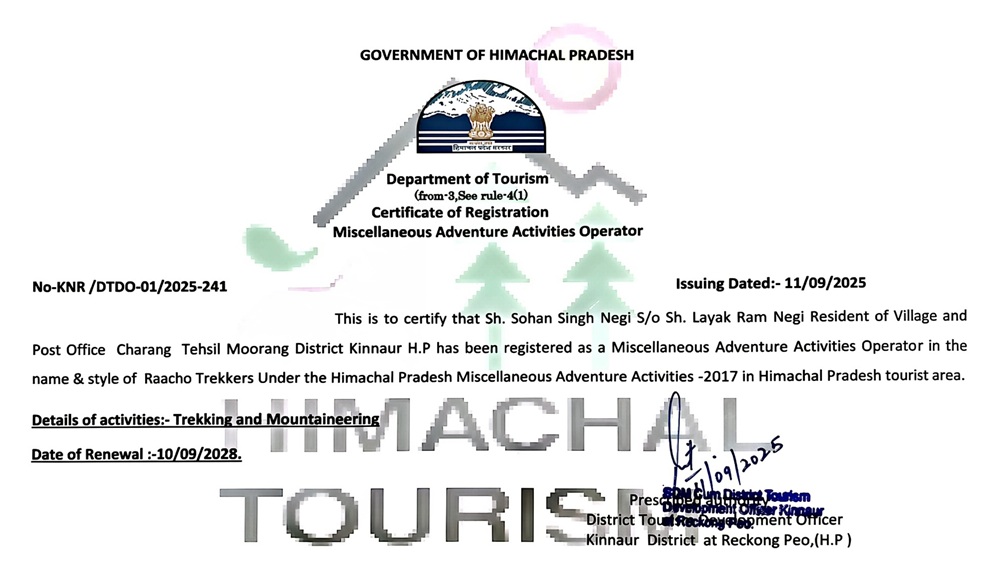
Yes, the highway route to Kinnaur via Shimla, Rampur, and Reckong Peo remains open throughout most of the winter. However, temporary road blockages can occur during heavy snowfall, requiring local authorities to clear the roads.
Q: Which route should be taken for a Winter Spiti Trip?
The only reliable route for a Winter Spiti Trip is from Shimla via Narkanda, Rampur, Sangla, Kalpa, and Kaza. The Manali-Rohtang-Atal Tunnel-Kunzum Pass route is closed during winter due to heavy snow accumulation.
Q: What temperatures should be expected when visiting Kinnaur in winter?
During winter (December to March), temperatures in Kinnaur typically range from 5°C during sunny days down to -5°C to -20°C at night, particularly in higher villages like Chitkul and Kalpa.
Q: Are homestays and hotels open in Kalpa and Chitkul during winter?
Yes, select local homestays and hotels remain operational to accommodate winter travelers. Premium Winter Spiti Packages ensure reservations at stays equipped with room heaters, thermal bedding, and hot water amenities.
Q: What are the most popular winter treks in Kinnaur?
Popular winter treks in Kinnaur include the Hatu Peak Snow Trek in Narkanda, the Sangla Meadows snow walk, and the Kalpa to Roghi cliff trail. These day hikes offer stunning views of snow-clad Himalayan peaks.