Spiti Valley Snow Leopard Tours – Snow Leopard Expedition Spiti
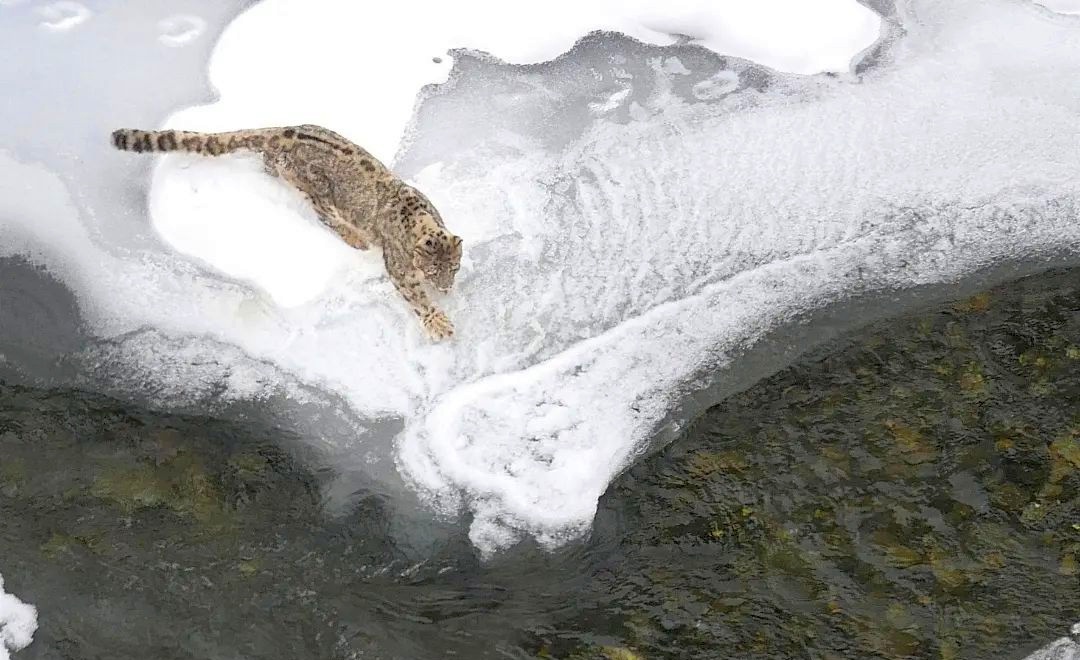
The spiti valley snow leopard tours are designed for wildlife enthusiasts and photographers fascinated by the most elusive predator of the Trans-Himalayas the Snow Leopard, often called the king of camouflage. If tracking and photographing this apex predator in its natural habitat excites you, the snow leopard expedition spiti is an experience not to be missed. At Raacho Trekkers, we offer a complete Himalayan wildlife experience with responsible and eco-conscious travel in ecologically fragile regions like Spiti Valley, crafting itineraries that minimise the impact on communities, wildlife, and environments.
WHAT IS A SNOW LEOPARD EXPEDITION ?
The snow leopard expedition spiti is a 9-day wildlife sighting and photography tour that focuses on tracking and spotting snow leopards in Spiti Valley, Himachal Pradesh. The expedition begins from Chandigarh and takes participants deep into high-altitude regions known for frequent snow leopard activity. Organised by Raacho Trekkers, a team with over 17 years of experience organising expeditions and wildlife tours across Kinnaur, Spiti, and the Garhwal Himalayas, this snow leopard expedition Spiti is built on deep local knowledge and a commitment to responsible wildlife tourism.
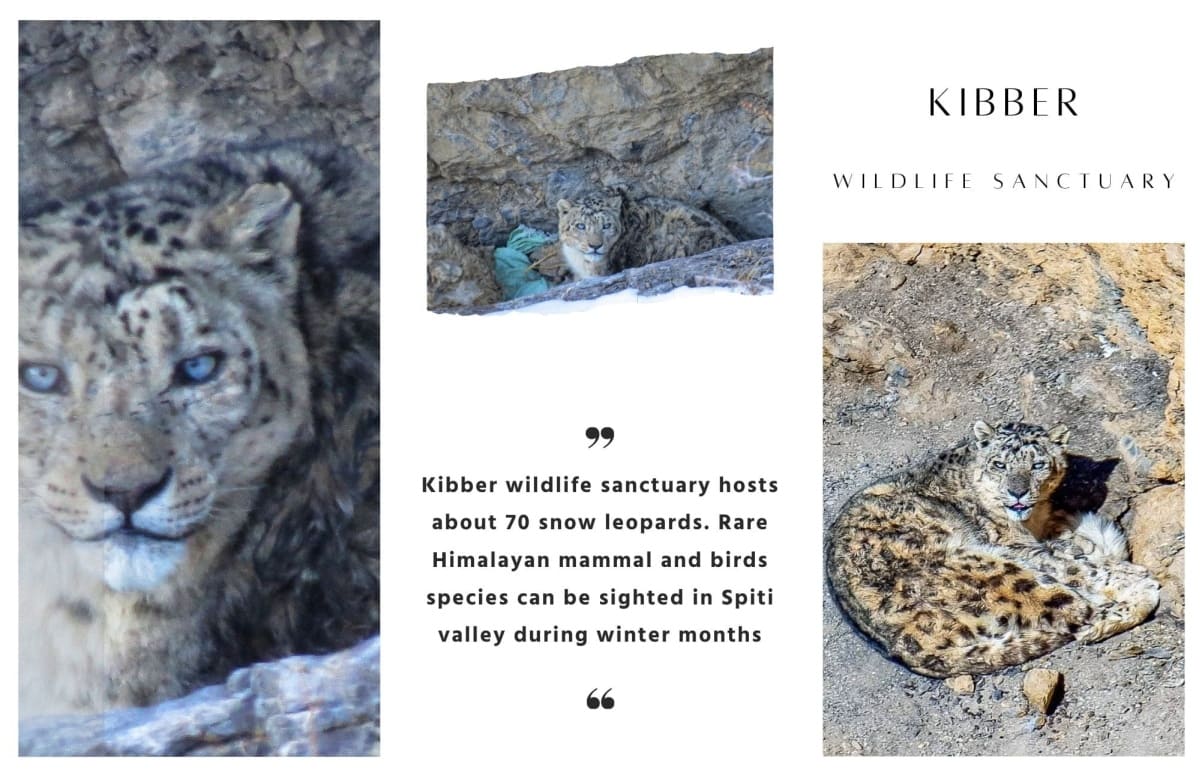
Population estimate of Snow Leopards in Kibber Wildlife Sanctuary of Himachal Pradesh.
TRACKING SHEN—SNOW LEOPARD OF SPITI
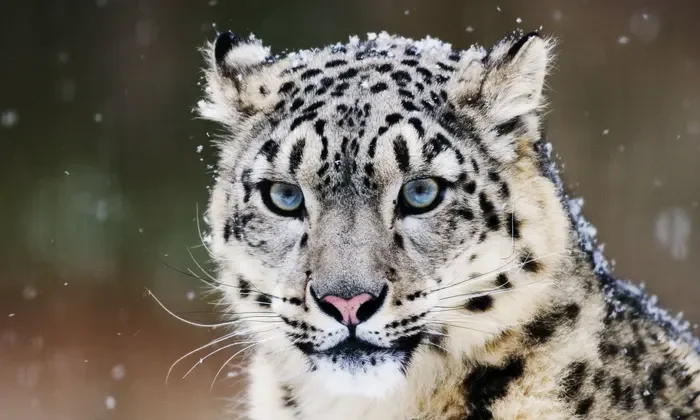
In the local Bhoti language, Shen or Shan refers to the snow leopard. The Kibber Wildlife Sanctuary is the prime habitat for sighting and photographing snow leopards in Himachal Pradesh. The deep gorges near Chicham Village act as a natural sanctuary for these elusive cats. The snow leopard is also found in Pin Valley National Park and has also been spotted around the Lippa–Asrang Sanctuary. A century ago, Rudyard Kipling described Spiti as “a world within a world” — a land that during harsh winter months is frequently cut off from the outside world, making every Spiti Valley snow leopard tour with Raacho Trekkers a truly rare and unforgettable adventure.
These deep gorges near Chicham village are the sanctuary for Snow Leopards. Photo by Vaibhav Kaul/@Himalayologist on Twitter.
EVENT REGISTRATION
Fields marked with an * are required
dawn and dusk are the best times to spot the snow leopards. to find the prime places, one just has to find place where there is an abundance of snow leopard which includes:
- Argali
- Blue Sheep
- Ibexes
- Himalyan Tahr
- Markhor
- Tibetan gazelle
- Woolly hares
- Calves of the Yaks.
ITINERARY FOR PHOTO EXPEDITION
Day 1: Chandigarh to Narkanda (2,700 m) – 175 km | 6 hrs drive (NH5) Overnight at Swastik Homestay or similar
Day 2: Narkanda to Kalpa, Kinnaur (2,960 m) – 170 km | 5–6 hrs drive Stay at Hotel Sheetal, Kalpa
Day 3: Kalpa to Kibber or Chicham Village (4,270 m) – 7–8 hrs drive (NH5 & NH505) Overnight at homestay in Chicham
Days 4–7: Hiking and tracking snow leopards in Kibber Wildlife Sanctuary, including early starts to locations like Rong Nala. Movement depends entirely on real-time sightings reported by spotters and guides.
Day 8: Kibber to Kalpa – ~226 km | ~10 hrs drive Stay at Hotel Sheetal, Kalpa
Day 9: Kalpa to Shimla – 230 km | 7–8 hrs drive (NH5)
EXPEDITION HIGHLIGHTS
- Highly experienced team of trackers, guides, and wildlife photography organizers
- Entire support team is local
- All-inclusive expedition
- Premium hotels and homestays with heating facilities
- Foldable camping chairs for long spotting waits
- Opportunity to photograph Ibex, Blue Sheep, and Red Foxes
- Guided by Raacho Trekkers, responsible travel specialists operating in Kinnaur and Spiti since 2007
HOW TO SPOT AND PHOTOGRAPH SNOW LEOPARDS IN HIMACHAL PRADESH?
The highest density sightings in India have occurred in Kibber Wildlife Sanctuary and high-altitude regions of the Lahaul Valley. Hiring local spotters and guides is crucial as they understand terrain, weather, and animal behavior, while also managing permits and logistics.
Snow leopards are easier to track after fresh snowfall, as their grey fur contrasts sharply against white snow and footprints become visible. Patience is essential, as these shy animals can remain unseen for days.
Tracking prey animals like Ibex and Blue Sheep, observing rocky ledges and cliffs, and understanding snow leopard behavior significantly improves chances of sightings.
BEST TIME FOR SNOW LEOPARD SIGHTINGS
The ideal time for spiti valley snow leopard tours is January to early March, during the mating season when snow leopards are more active. This period also offers rare opportunities to photograph social interactions between pairs.
Equipment for Snow Leopard Photography
Snow leopards are most active during low-light conditions at dawn and dusk. Recommended equipment includes:
- Cameras with large aperture lenses
- High ISO capability and fast shutter speed
- Telephoto lenses (100–400 mm, 500 mm, or 600 mm)
- Sturdy tripod
- Continuous shooting mode for action shots
Inclusions in Snow Leopard Expedition Spiti
- 2 nights hotel accommodation (Narkanda & Rampur)
- 6 nights homestay with heating and all meals
- Spotters, guides, porters, and walkie-talkie radios
- Wildlife permits, monastery fees, and village fees
- Hot water, tea, and snacks
- Foldable stools, walking poles, and 4WD vehicle for all days
Essentials to Carry
Thermal layers, trekking boots, heavy down jacket, trekking pants, gloves, balaclava, sunglasses, backpack (70–90 L), gaiters, trekking poles, camera gear, batteries, power banks, toiletries, headlamp, energy bars, and a first-aid kit.
Cancellation Policy
- Full refund before 30 days of departure
- 50% refund between 10–30 days
- 25% refund within 10 days of departure
Key Terms of the Expedition
Extreme weather events may lead to expedition cancellation without refunds. Participants must be medically fit and provide a fitness certificate. While snow leopard sightings have occurred on all previous expeditions, wildlife sightings remain subject to natural conditions and snowfall patterns.
FREQUENTLY ASKED QUESTIONS ?
1. Where is the best place to see and photograph Snow Leopards in India?
The Kibber Wildlife Sanctuary and the deep gorges around Chicham Village in Spiti Valley, Himachal Pradesh, are considered the absolute best locations in India for spotting and photographing wild Snow Leopards (locally called Shen or Shan). This high-altitude trans-Himalayan belt has a high density of snow leopards because of its thriving populations of natural prey, such as Blue Sheep (Bharal) and Asiatic Ibex.
2. What is the best month to join a Spiti Valley Snow Leopard expedition?
The best time to go is from mid-January to early March. During these peak winter months, heavy snow at high altitudes drives the snow leopards down to lower elevations (~3,500m to 4,200m) in search of prey. Additionally, February is the start of their mating season, making the cats much more active, vocal, and likely to travel in pairs, significantly increasing your chances of a sighting.
3. How physically demanding is a Snow Leopard tracking tour in Kibber?
The expedition is physically demanding and rated as moderate-to-challenging. You will be walking and tracking at altitudes exceeding 4,200 meters (13,780 feet) in deep snow and sub-zero temperatures (ranging from -10°C to -30°C). While local porters assist in carrying heavy camera gear, you should be in good cardiovascular health, have strong leg endurance, and provide a medical fitness certificate before booking.
4. How does the Raacho Trekkers team track Snow Leopards in the wild?
We rely on a highly trained, dedicated team of local indigenous spotters and trackers who live in the Kibber and Chicham regions. They use high-end spotting scopes to scan the cliffs, analyze fresh tracks in the snow, and listen for warning calls from prey species like blue sheep or ibex. Because we have deep roots in the community, our guides receive real-time, neighborhood-level sighting updates across the valley, which is why we have successfully sighted snow leopards on every single expedition over the last six years.
5. What is the itinerary route for the Spiti Valley Snow Leopard tour?
Our specialized 9-day itinerary is designed for gradual, safe acclimatization:
- Day 1: Chandigarh to Narkanda (2,700 m) via NH5.
- Day 2: Narkanda to Kalpa, Kinnaur (2,960 m).
- Day 3: Kalpa to Kibber/Chicham Village (4,270 m) via NH5 & NH505.
- Days 4–7: Tracking and photography inside the Kibber Wildlife Sanctuary (using Chicham/Kibber homestays as base).
- Day 8: Kibber back to Kalpa.
- Day 9: Kalpa to Shimla.
6. How do you handle altitude acclimatization on this expedition?
We strictly follow a “climb high, sleep low” philosophy during the transit days. By starting the drive from Chandigarh and spending Day 1 in Narkanda (2,700m) and Day 2 in Kalpa (2,960m), we allow your body to naturally adapt to the thin air before you sleep at Chicham/Kibber (4,270m) on Day 3. We also keep a stock of emergency oxygen cylinders, first-aid kits, and satellite-linked communication (walkie-talkies) on hand during all tracking hikes.
7. What kind of accommodations and heating are provided during the winter tour?
In the mountains, staying warm is key to enjoying the trip. On transit days, we use premium heated hotels in Narkanda and Kalpa. While tracking in Kibber/Chicham, you will stay in traditional high-altitude homestays. These homestays are heavily insulated and equipped with wood-burning Bukhari/Tandoor heaters in the common areas, heavy traditional blankets, and we provide hot water, tea, and freshly prepared hot meals throughout the day.
8. What camera gear is recommended for Snow Leopard photography?
Because snow leopards are mostly active during the low-light hours of dawn and dusk, and are usually spotted on distant ridges, we recommend:
- Lenses: A telephoto prime or zoom lens of at least 400mm, 500mm, or 600mm. Lenses with wide apertures (f/2.8 or f/4) are ideal for low-light conditions.
- Camera Bodies: High ISO capability with low noise and fast continuous shooting modes.
- Support: A highly stable, cold-resistant carbon-fiber tripod (we provide foldable tracking chairs/stools for comfort while waiting).
- Batteries: Bring 3 to 4 spare batteries, as extreme cold drains battery life up to 50% faster. Keep them wrapped in warm pockets close to your body.
9. What essential clothing should I pack for Spiti in winter?
Temperatures routinely drop below -20°C to -30°C. You must dress in layers:
- Base Layer: High-quality merino wool thermal tops and bottoms.
- Mid Layer: Warm fleece jacket and down vest.
- Outer Layer: Heavy-duty, windproof, waterproof down jacket (rated for -30°C) and snow pants.
- Accessories: Waterproof trekking boots, gaiters (to keep snow out of your boots), thermal gloves + windproof mittens, woolen balaclava, and UV-protection polarized sunglasses to prevent snow blindness.
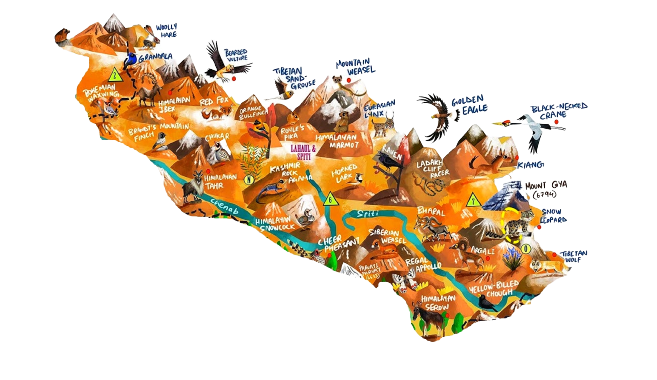
10. What other Himalayan wildlife can I expect to photograph on this tour?
While the Snow Leopard is the prime target, the trans-Himalayan ecosystem is highly active in winter. You will have excellent, close-range opportunities to photograph:
- Asiatic Ibex and Himalayan Blue Sheep (Bharal) navigating steep cliffs.
- Tibetan Red Foxes and Golden Eagles hunting in the snow.
- Himalayan Choughs and Lammergeiers (Bearded Vultures) circling the gorges.

© 2026 Racho Trekkers. All rights reserved.