Price:₹75,000.00

Kalindi Khal Trek
Code: ERQSR
Description
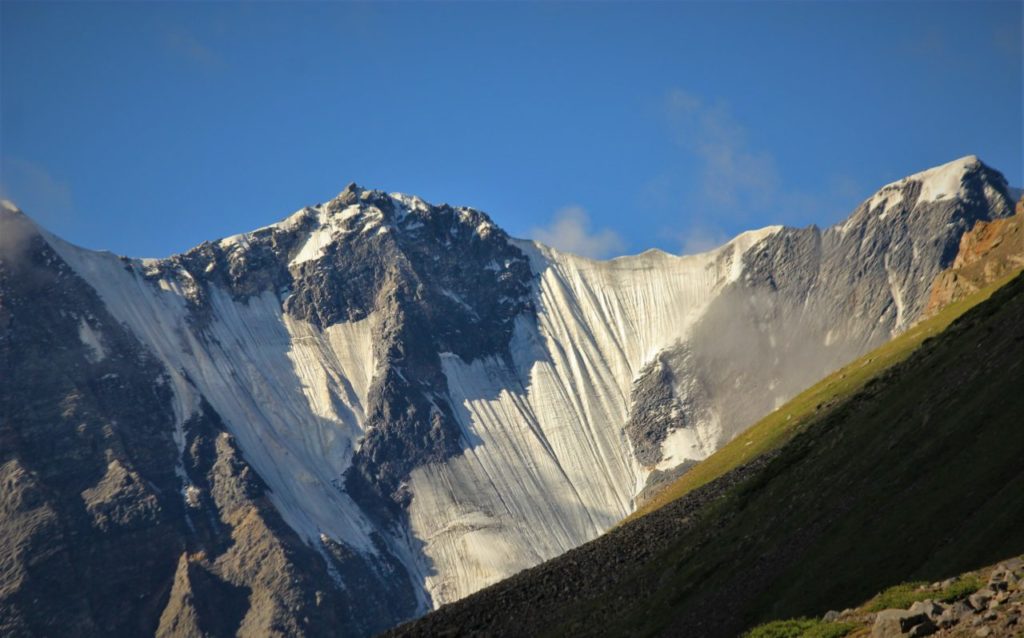
Kalindi khal pass trek that takes you half way round Garhwal from the Bhagirathi Valley to the Alaknanda Valley. A trip only for those who have done high altitude treks before; it’s very mention gives a thrill to even the most seasoned of climbers. Kalindi khal Pass Trek is 5950mtrs, 19500feet above sea level, dividing the watersheds of the Bhagirathi and Alaknanda river systems, discovered by Shipton and Tilman in 1934 (though legend exists of folk knowing the route from ages).
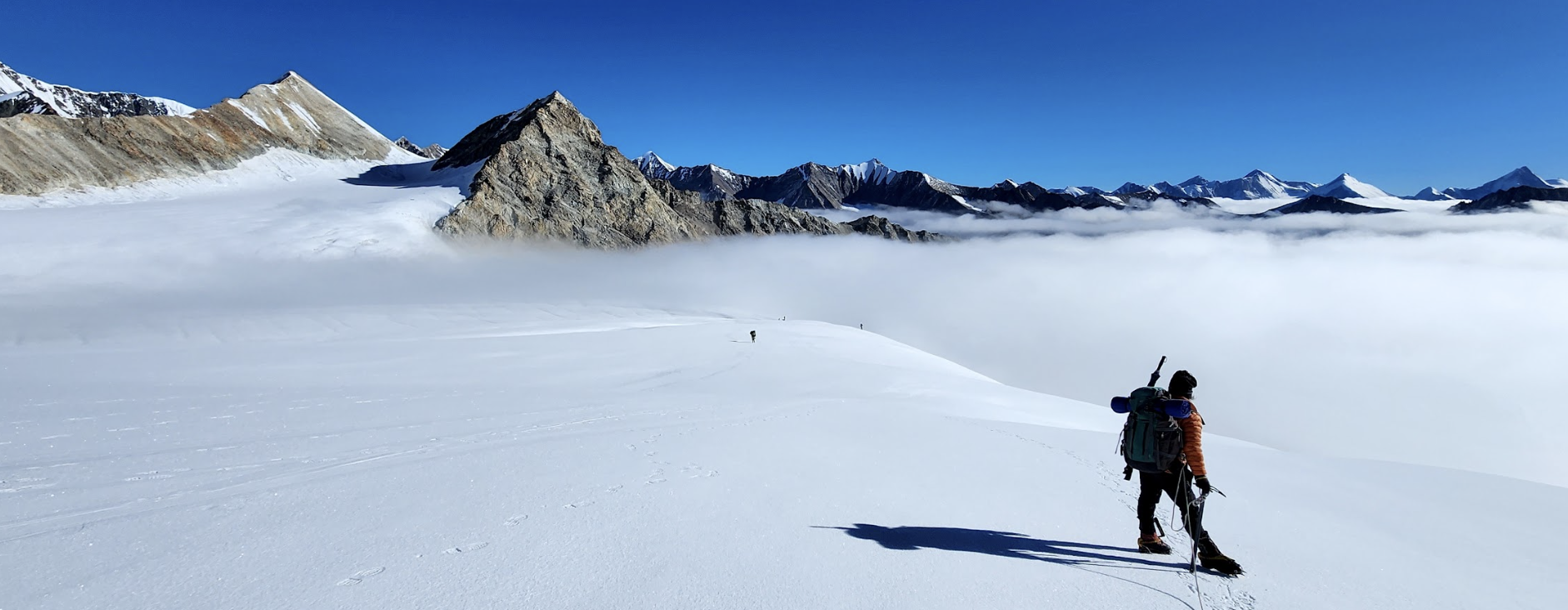
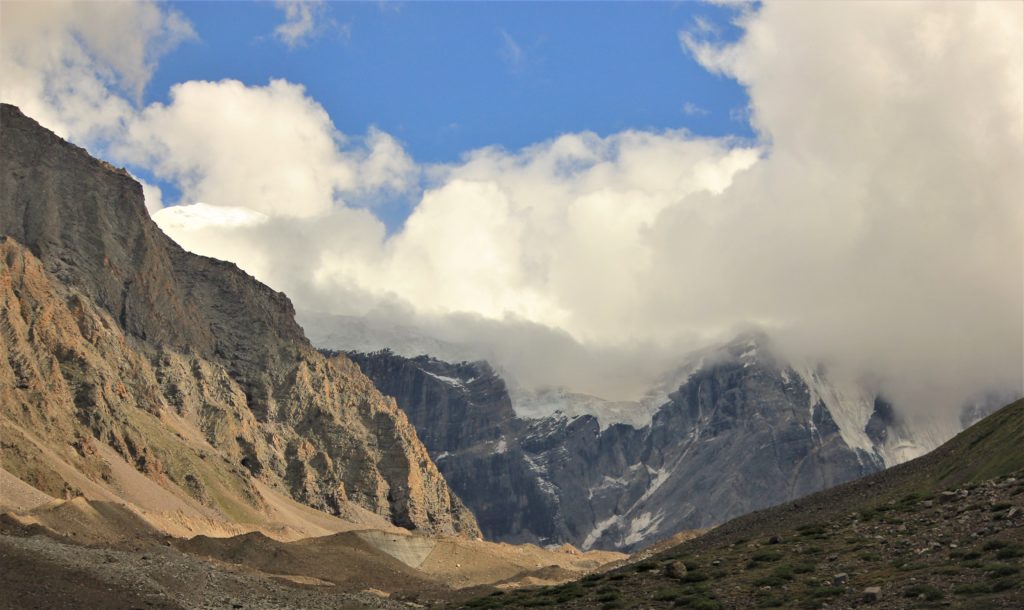
Kalindi khal pass trek 86 Km long trail connects two holy shrines of Gangotri and Badrinath over a glaciated pass almost at 6000 m. The walk is mostly over the moraines and the snow fields with deep crevasses and gives great opportunities to view the high altitude wildlife and camp by some small glacial lakes.
Destinations Kalindi Khal Pass : Gangotri, Bhojbasa, Nandanvan, Vasukital, Khara Patthar, Kalindi Base, Rajparav, Ghastoll, Badrinath
Kalindi khal pass trek expedition covers some very remote and famous areas which are popular amongst the trekkers. First is from where the River Ganga originates Gomukh, explore the green landscapes of Tapovan with streams around and the remote area Vasuki Tal.
Kalindi khal pass
A historic route!! An interesting mythological story has it that a sage used to perform his daily rituals of worship in Badrinath and Kedarnath on the same day..
Lots of World class explorers like Tillman, Eric Shipton, Meade have put their efforts to find a route connecting the 2 shrines.
Darshan and Prayers at Madhmaheshwar, Tungnath one of the Panch Kedar.
Walk the 7km long Panpatia Plateau
The dangerous, crevasse laiden massive and wide spread ice field of Panpatia.
| INCLUDED |
|
||||||||||
| NOT INCLUDED |
|
OVERVIEW
Itinerary
Day 01: DEHRADUN – UTTARKASHI – GANGOTRI
Day 02: GANGOTRI- BHOJBASA
Day 03 : BHOJBASA – GAUMUKH –NANDANVAN
Day 04: NANDANVAN – VASUKITAL
Day 05: REST & ACCLIMATIES AT VASUKITAL
Day 06: VASUKITAL – KHARA PATHAR (Suralya Bamak)
Day 07: KHARA PATHAR – SWETA GLACIER
Day 08: SWETA GLACIER – KALINDI KHAL BASE
Day 09: KALINDI BASE – KALINDI PASS (5950 mt)- RAJPARAV
Day 10: RAJPARAV – ARWATAL
Day 11: ARWATAL – GHASTOLI
Day 12: TREK GASTOLI TO BADRINATH AND DRIVE TO JOSHIMATH
Day 13: DRIVE TO RISHIKESH
FAQ's
FAQ's
-
The Kalindi Khal Trek is categorized as an extreme, mountaineering-grade expedition, not a standard recreational trek. Reaching a massive altitude of 5,942 meters (19,500 feet), it involves navigating active, heavily crevassed glaciers, walking over steep moraines, and enduring sub-zero temperatures. It is physically grueling and mentally demanding, making it suitable only for seasoned trekkers looking to push their absolute limits.
-
While a formal certificate (like a Basic Mountaineering Course) is not strictly mandatory, extensive high-altitude trekking experience is non-negotiable. You must have successfully completed multiple difficult treks above 5,000 meters (such as Auden’s Col, Pin Parvati, or Borasu Pass). You need to be familiar with using technical gear like crampons, ice axes, and being roped up for safety on vast ice fields.
-
This route is the ultimate holy grail of Himalayan crossovers. It connects two of India's most sacred pilgrimage sites—Gangotri and Badrinath—via a high mountain pass that sits higher than many peaks around the world. Along the way, you camp right at the base of iconic giant peaks like Shivling, Bhagirathi, and Meru, and trek across the vast, majestic Chaturangi and Raktavan glaciers.
-
Safety is our highest priority on an expedition of this scale. We provide all necessary technical gear, including high-tensile climbing ropes, ice screws, snow stakes, safety harnesses, helmets, crampons, and ice axes. Our team also carries extensive medical kits, specialized high-altitude oxygen cylinders, and satellite communication tracking devices (where legally permitted) to manage any emergencies smoothly.
-
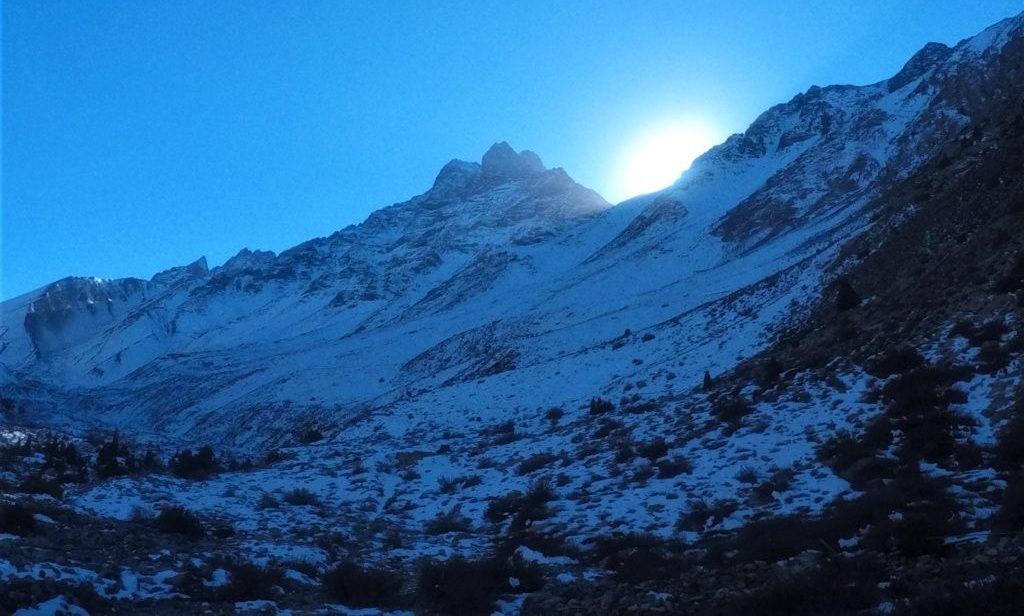
The safest and most viable windows for this expedition are mid-June to June (pre-monsoon) and September to early October (post-monsoon). June provides better snow cover, which can make crossing deep glacial crevasses easier, though the weather can be unpredictable. September and October offer highly stable weather patterns, crisp air, and completely clear, unobstructed views of the surrounding Himalayan giants.
Reviews (0)
Related Tours
-
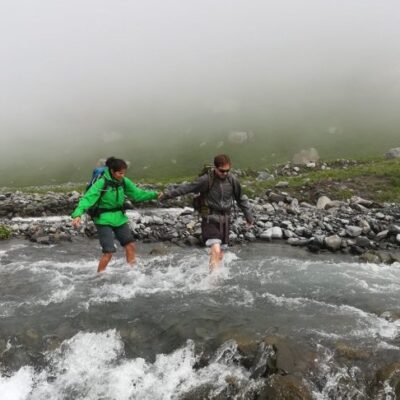
The Pin-Bhabha Pass connects Kinnaur with the vibrant Pin Valley in Himachal’s Spiti region.
₹22,000.00 6D 5N -
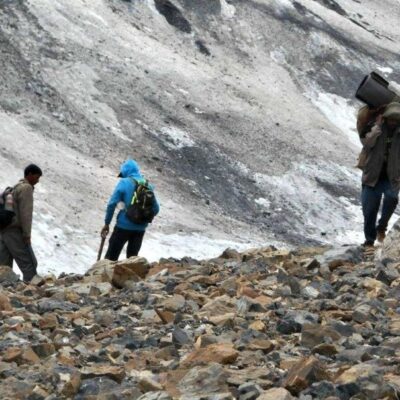
-
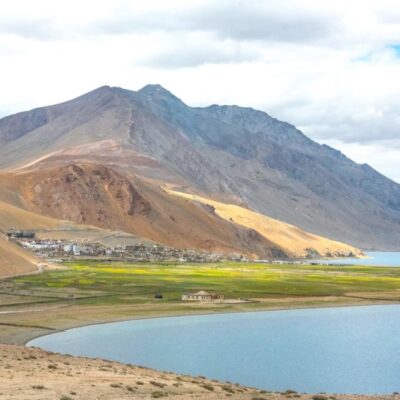
We recommend a prior high altitude Himalayan trek experience for Parang La pass.
₹35,000.00 8D 7N

© 2026 Racho Trekkers. All rights reserved.
Reviews
There are no reviews yet.