What Makes Spiti Valley Winter Tours Different from Summer Tours?
Spiti Valley is one among the few places in the Himalayas where one can experience two distinct types of journeys based on the season. The summer months may bring rich landscapes, open roads and colorful village scenes, but the winter months offer a silent, adventurous, and raw beauty to the Himalayas. One of the reasons for this dramatic change is the increasing interest in travelling in the spiti valley specifically through special packages during the winter season, in order to enjoy the valley in its best season.
When planning to escape to the Himalayas, it is important to know the difference between the summer and winter season. The winter spiti tour is not just a cooler summer tour. It offers special challenges, landscapes, cultural activities, and opportunities that are not available in the warmer months. Similarly, professionally designed winter spiti packages help travelers navigate weather conditions, road accessibility, and accommodation requirements more comfortably.
A Completely Different Landscape
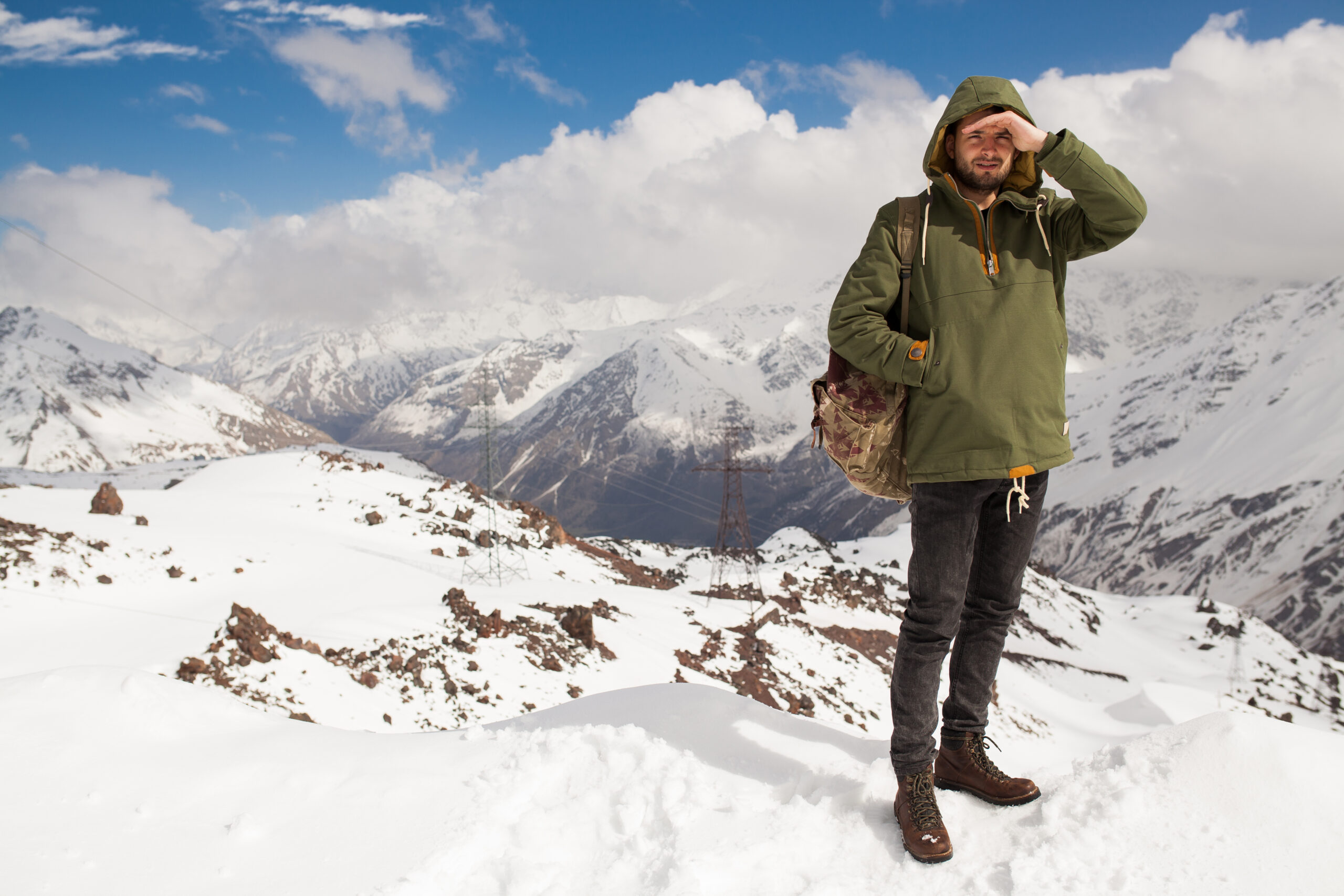
The most noticeable difference between the seasons is the landscape. In the summer, Spiti has brown mountains, blue skies, flowing rivers and high altitude villages easily accessible. By contrast, the entire area is covered with snow in the winter.
Travelers can experience with well designed spiti valley winter tour packages:
- Frozen rivers and waterfalls
- Snow-covered monasteries
- White mountain landscapes
- Ice-covered village pathways
- Beautiful sunrises and sunsets in the winter.
Photographers and nature lovers will find a winter spiti trip to be an uncommon chance to photograph the Himalayas in a way that is not possible in the summer.
Road Conditions and Accessibility
Routes of travel vary greatly from season to season. In the summer time, there are a number of roads up the mountains, making it somewhat easier to get up there. However, in the winter season, some routes are often blocked because of snowfall and ice accumulation.
This is why experienced operators who provide winter spiti packages take time to plan their routes and transportation to make sure that people can travel in a safe manner. The road conditions demand advanced driving skills, weather observation and flexibility in routes.
Key differences include:
- Roads are usually more accessible during the summer.
- Planning for winter travel will be weather dependent.
- Some mountain passes are closed in the event of heavy snow.
- Travel times are often longer during winter
These are taken into consideration by well-organized Spiti valley winter tour packages and ensure that travelers have a smooth and enjoyable experience.
A More Authentic Cultural Experience
The valley is much less visited in the winter months. This leads to a quieter village and a more visible local life.
During a winter spiti trip, the travellers will have the opportunity to experience:
- Traditional winter lifestyles
- Local festivals and customs,
- Authentic village interactions
- Seasonal food preparations
- Community life in remote Himalayan settlements
Winter spiti packages can give you a more intimate experience with the locals and customs, as compared to the summer season.
Adventure Levels Increase in Winter
Winter provides a more difficult and gratifying experience for the adventurous. The trails are snow-covered, the landscape is frozen, and the weather is harsh, making it important to be prepared and resilient.
Some of the most popular winter activities are:
- Snow walks through remote villages
- Winter photography expeditions
- Clear, starry night skies
- Exploring frozen landscapes
- Wildlife spotting opportunities
People particularly book the spiti valley winter tour packages as they would like to experience more of the adventure than what sight seeing offers in the summer.
Weather and Temperature Differences
The first and most apparent difference is the weather. The summer days are relatively warm but cooler at night, making exploring comfortable. The winter season is cold and snowy, which makes for a very different atmosphere.
The following is a general list of what is needed for a typical winter spiti trip:
- Thermal clothing layers
- Insulated jackets
- Waterproof footwear
- Winter accessories
- Proper hydration and acclimatization
A typical winter spiti packages would cover advice on packing and preparing to ensure that visitors enjoy themselves despite the extreme weather conditions.
Photography Opportunities Like No Other
While Spiti is beautiful throughout the year, it brings about some contrasts that are not found elsewhere. Each frame is different with the white snow and rugged mountains, frozen water bodies and dramatic skies.
Photographers appreciate:
- Snow-covered monasteries
- Ice formations
- Winter village scenes
- Crystal-clear night skies
- Seasonal wildlife activity
This visual metamorphosis is one of the key factors contributing to the growing popularity of winter tour packages in the Spiti valley.
Peace, Solitude, and Reflection
Summer brings more people to visit, but winter brings tranquility. The quiet of snowy valleys is often very soothing for many travellers.
If you are interested in a winter spiti trip, then you should consider the following:
- Digital detox experiences
- Mindful travel
- Uncrowded destinations
- Personal reflection
Many people opt for spiti valley winter tour packages because they want to get away from the hustle and bustle of the city and enjoy the outdoors.
FAQs
What is the difference between Spiti Valley winter tours and summer tours?
Winter tours focus on snow-covered landscapes, frozen rivers, and quieter villages, while summer tours offer easier road access, warmer weather, and broader sightseeing opportunities across high-altitude regions.
Which route is open to Spiti Valley in winter vs. summer?
Summer generally provides multiple route options into Spiti. During winter, access becomes more limited due to snowfall, making route planning and weather monitoring especially important.
How cold does Spiti Valley get in winter compared to summer?
Summer temperatures are usually comfortable during the day, while winter temperatures often fall below freezing, particularly during nights and early mornings.
Is Spiti Valley safer to visit in summer or winter?
Both seasons can be safe when planned properly. Summer offers easier travel conditions, while winter requires additional preparation, experienced drivers, and weather-aware itineraries.
What can you see in Spiti Valley in winter that you can’t in summer?
Winter reveals frozen rivers, snow-covered monasteries, icy landscapes, and unique seasonal village life that are not visible during the warmer months.
Which season is better for first-time travelers to Spiti Valley?
Summer is often preferred by first-time visitors due to easier accessibility. However, travelers seeking snow, solitude, and a distinctive Himalayan experience may prefer winter.