Spiti Valley Snow Leopard Tours – Snow Leopard Expedition Spiti
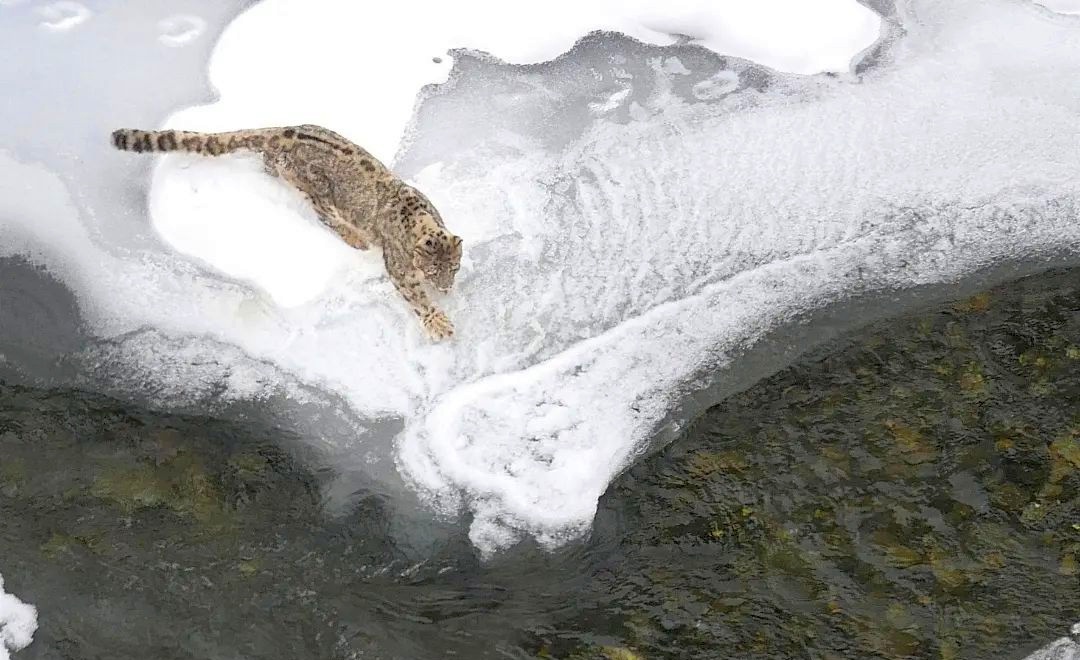
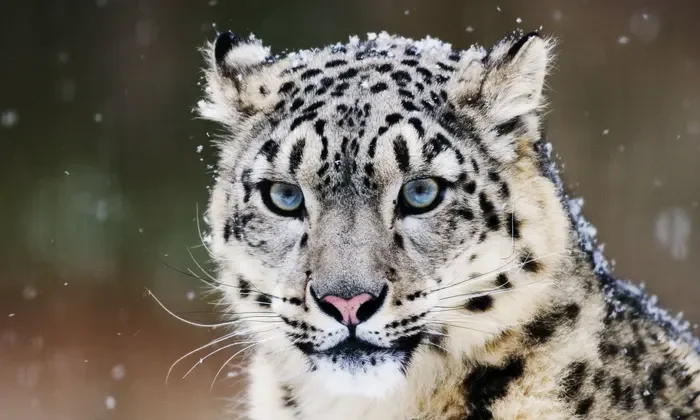
The spiti valley snow leopard tours are designed for wildlife enthusiasts and photographers fascinated by the most elusive predator of the Trans-Himalayas the Snow Leopard, often called the king of camouflage. If tracking and photographing this apex predator in its natural habitat excites you, the snow leopard expedition spiti is an experience not to be missed.
WHAT IS A SNOW LEOPARD EXPEDITION ?
The snow leopard expedition spiti is a 9-day wildlife sighting and photography tour that focuses on tracking and spotting snow leopards in Spiti Valley, Himachal Pradesh. The expedition begins from Chandigarh and takes participants deep into high-altitude regions known for frequent snow leopard activity.
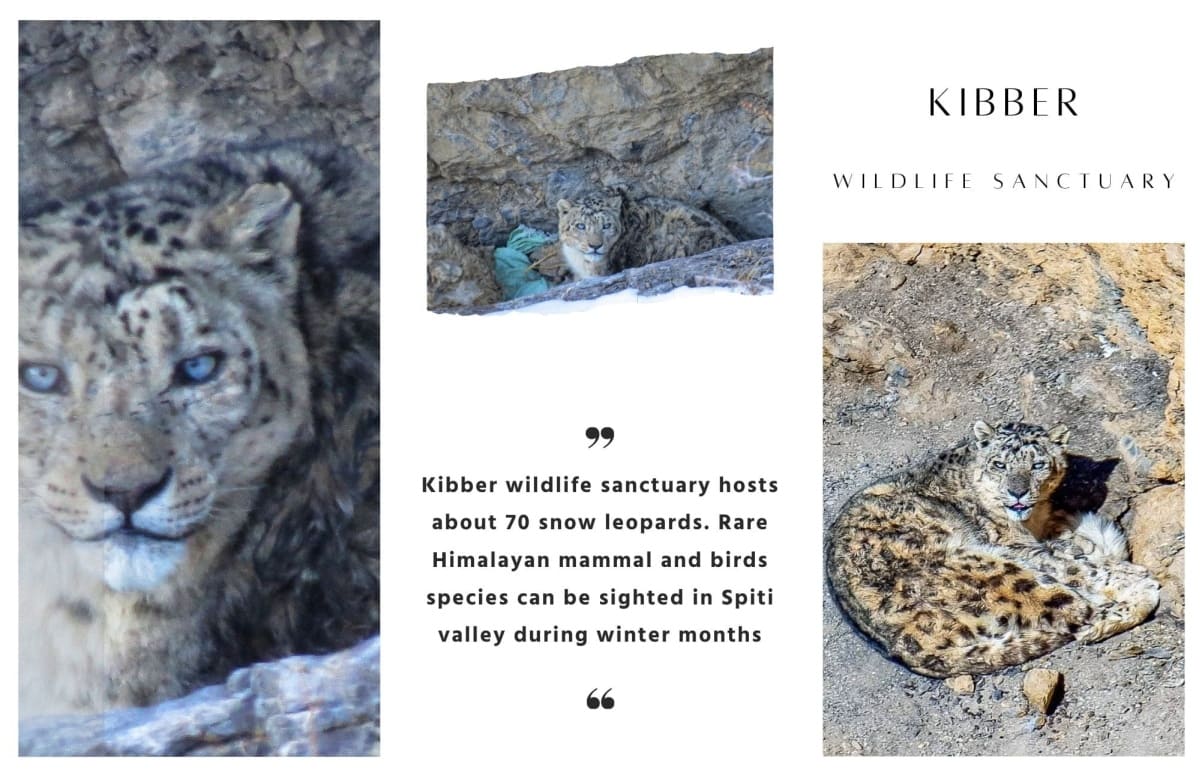
Population estimate of Snow Leopards in Kibber Wildlife Sanctuary of Himachal Pradesh.
TRACKING SHEN—SNOW LEOPARD OF SPITI
In the local Bhoti language, Shen or Shan refers to the snow leopard. The Kibber Wildlife Sanctuary is the prime habitat for sighting and photographing snow leopards in Himachal Pradesh. The deep gorges near Chicham Village act as a natural sanctuary for these elusive cats.
These deep gorges near Chicham village are the sanctuary for Snow Leopards. Photo by Vaibhav Kaul/@Himalayologist on Twitter.
EVENT REGISTRATION
Fields marked with an * are required
dawn and dusk are the best times to spot the snow leopards. to find the prime places, one just has to find place where there is an abundance of snow leopard which includes:
- Argali
- Blue Sheep
- Ibexes
- Himalyan Tahr
- Markhor
- Tibetan gazelle
- Woolly hares
- Calves of the Yaks.
ITINERARY FOR PHOTO EXPEDITION
Day 1: Chandigarh to Narkanda (2,700 m) – 175 km | 6 hrs drive (NH5) Overnight at Swastik Homestay or similar
Day 2: Narkanda to Kalpa, Kinnaur (2,960 m) – 170 km | 5–6 hrs drive Stay at Hotel Sheetal, Kalpa
Day 3: Kalpa to Kibber or Chicham Village (4,270 m) – 7–8 hrs drive (NH5 & NH505) Overnight at homestay in Chicham
Days 4–7: Hiking and tracking snow leopards in Kibber Wildlife Sanctuary, including early starts to locations like Rong Nala. Movement depends entirely on real-time sightings reported by spotters and guides.
Day 8: Kibber to Kalpa – ~226 km | ~10 hrs drive Stay at Hotel Sheetal, Kalpa
Day 9: Kalpa to Shimla – 230 km | 7–8 hrs drive (NH5)
EXPEDITION HIGHLIGHTS
- Highly experienced team of trackers, guides, and wildlife photography organizers
- Entire support team is local
- All-inclusive expedition
- Premium hotels and homestays with heating facilities
- Foldable camping chairs for long spotting waits
- Opportunity to photograph Ibex, Blue Sheep, and Red Foxes
HOW TO SPOT AND PHOTOGRAPH SNOW LEOPARDS IN HIMACHAL PRADESH?
The highest density sightings in India have occurred in Kibber Wildlife Sanctuary and high-altitude regions of the Lahaul Valley. Hiring local spotters and guides is crucial as they understand terrain, weather, and animal behavior, while also managing permits and logistics.
Snow leopards are easier to track after fresh snowfall, as their grey fur contrasts sharply against white snow and footprints become visible. Patience is essential, as these shy animals can remain unseen for days.
Tracking prey animals like Ibex and Blue Sheep, observing rocky ledges and cliffs, and understanding snow leopard behavior significantly improves chances of sightings.
BEST TIME FOR SNOW LEOPARD SIGHTINGS
The ideal time for spiti valley snow leopard tours is January to early March, during the mating season when snow leopards are more active. This period also offers rare opportunities to photograph social interactions between pairs.
Equipment for Snow Leopard Photography
Snow leopards are most active during low-light conditions at dawn and dusk. Recommended equipment includes:
- Cameras with large aperture lenses
- High ISO capability and fast shutter speed
- Telephoto lenses (100–400 mm, 500 mm, or 600 mm)
- Sturdy tripod
- Continuous shooting mode for action shots
Inclusions in Snow Leopard Expedition Spiti
- 2 nights hotel accommodation (Narkanda & Rampur)
- 6 nights homestay with heating and all meals
- Spotters, guides, porters, and walkie-talkie radios
- Wildlife permits, monastery fees, and village fees
- Hot water, tea, and snacks
- Foldable stools, walking poles, and 4WD vehicle for all days
Essentials to Carry
Thermal layers, trekking boots, heavy down jacket, trekking pants, gloves, balaclava, sunglasses, backpack (70–90 L), gaiters, trekking poles, camera gear, batteries, power banks, toiletries, headlamp, energy bars, and a first-aid kit.
Cancellation Policy
- Full refund before 30 days of departure
- 50% refund between 10–30 days
- 25% refund within 10 days of departure
Key Terms of the Expedition
Extreme weather events may lead to expedition cancellation without refunds. Participants must be medically fit and provide a fitness certificate. While snow leopard sightings have occurred on all previous expeditions, wildlife sightings remain subject to natural conditions and snowfall patterns.
FREQUENTLY ASKED QUESTIONS ?
1. What is the Snow Leopard Expedition?
The Snow Leopard Expedition is a wildlife sighting and photography tour focused on tracking and spotting snow leopards in the Spiti Valley of Himachal Pradesh.
2. Where does the expedition take place?
This expedition is based in the Kibber Wildlife Sanctuary area of Spiti Valley, a prime habitat for snow leopards and other Himalayan wildlife.
3. How long is the Snow Leopard Expedition?
The expedition is a 9-day tour that starts from Chandigarh and includes travel, wildlife tracking, and photography.
4. What kind of wildlife can I expect to see besides snow leopards?
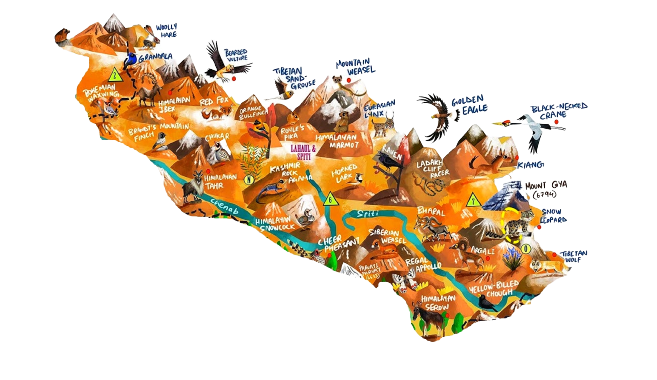
Participants may encounter other Himalayan wildlife such as Blue Sheep, Ibexes, Himalayan Tahr, Tibetan gazelle, woolly hares and more while looking for snow leopards.
5. Where are the best times and places for spotting snow leopards during the expedition?
Dawn and dusk are mentioned as the best times to spot snow leopards, and places where their prey (such as ibex and blue sheep) gather offer higher chances of sighting.
6. What does the itinerary include?
The tour itinerary includes:
- A multi day drive from Chandigarh to Spiti via Narkanda & Kalpa.
- Several days of hiking and tracking snow leopards around Kibber Wildlife Sanctuary with guides and porters.
- Travel back via Kalpa and Shimla.
7. Will I have local guides and trackers with me?
Yes — the expedition includes a highly experienced team of trackers, guides, and wildlife photography tour organizers, all familiar with the terrain and wildlife behavior.
8. What kind of accommodation is provided on the expedition?
The expedition features premium accommodation at hotels and homestays (with heating facilities) during the tour.
9. Can I photograph other animals during the expedition?
Yes — besides snow leopards, you’ll have the opportunity to photograph Himalayan wildlife like Ibex, Blue Sheep, and Red foxes as part of the experience.
10. Do I need special preparation to spot and photograph snow leopards?
Snow leopards are elusive and well camouflaged, so the expedition highlights patience, persistence, and the assistance of local spotters for the best chance of sighting and capturing them on camera.

© 2025 Racho Trekkers. All rights reserved. Designed By: Digital Berge